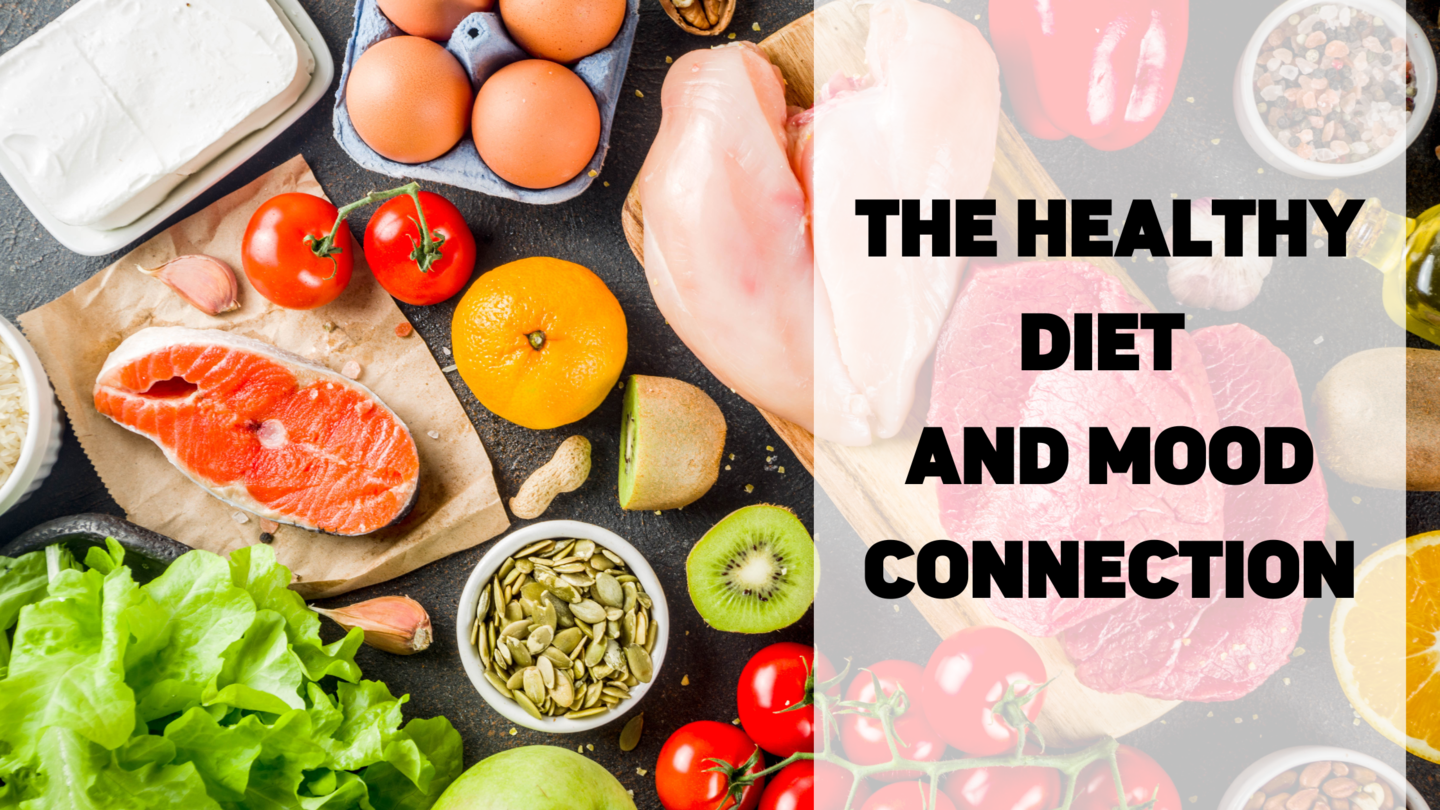
Boost Your Mental Health: Healthy Diet and Mood Connection
A healthy diet and mood are intrinsically linked, with the food we consume playing a significant role in our overall mental health. This comprehensive guide will delve into the fascinating world of nutritional psychiatry, exploring how specific nutrients can influence our emotions and cognitive function.
We’ll examine nutrient deficiencies that can impact your mood, such as vitamin D’s role in neurological processes and folate’s importance for serotonin production. Discover how omega-3 fatty acids contribute to improved mental health conditions and learn about foods that help increase serotonin production for enhanced well-being.
Moreover, we’ll discuss the impact of a diet that is both balanced and composed of fresh fruits and vegetables as opposed to processed foods on our mental health. We will highlight the significance of hydration in boosting your mood by identifying signs of dehydration and providing tips for maintaining adequate hydration levels.
In addition to dietary recommendations, this article offers practical advice on meal planning strategies, moderation in caffeine/alcohol intake, exercise’s positive impact on mood enhancement, as well as an exploration into fermented foods’ gut health benefits. Begin your voyage to comprehend the link between a nutritious diet and one’s emotional state for greater bodily and mental well-being.
Table of Contents:
- Nutrient Deficiencies That Can Affect Your Mood
- The Mediterranean Diet and Mindful Eating
- The Role of Antioxidants and the Gut Microbiome
- The Role of Omega-3s in Boosting Your Mood
- The Benefits of Eating a Balanced Diet
- Impact of Processed and Junk Foods on Your Mood
- The Role of Hydration in Boosting Your Mood
- Benefits of Eating More Fruits and Vegetables
- Tips for Building a Healthy Diet to Improve Mood
- Role of Exercise in Improving Your Mood
- Boosting Effects of Fermented Foods
- FAQs in Relation to Healthy Diet and Mood
- Conclusion
Nutrient Deficiencies That Can Affect Your Mood
Certain nutrient deficiencies can have a direct impact on your emotional well-being. Depression and anxiety can be caused by inadequate intake of vitamins D and B9. Ensuring adequate intake of these essential vitamins through diet or supplementation can help improve mood stability.
Vitamin D’s Role in Neurological Processes
Vitamin D is crucial for maintaining proper nerve function and regulating the release of neurotransmitters such as serotonin. Adequate vitamin D levels support overall brain health, making it an important factor in managing mood disorders.
Folate (B9) for Serotonin Production
Folate (B9), found in leafy greens, legumes, and fortified cereals, plays a vital role in producing serotonin – a key neurotransmitter responsible for regulating mood. Consuming foods rich in folate may help alleviate depressive symptoms by boosting serotonin levels naturally.
A well-balanced diet can also have a significant impact on mental health. Nutritional psychiatry is a growing field that studies the link between diet and mental health conditions. Poor eating habits and a diet rich in processed foods can lead to oxidative stress and inflammation, which can negatively affect brain health and contribute to mood disorders.
The Mediterranean Diet and Mindful Eating
The Mediterranean diet, which emphasizes whole foods such as fruits, vegetables, whole grains, and lean proteins, has been shown to have numerous health benefits, including improved mood and cognitive function. This diet is also rich in omega-3 fatty acids, which have been linked to reduced depressive symptoms.
Mindful eating, or paying attention to the sensory experience of eating, can also have a positive impact on mood. By slowing down and savoring each bite, you can increase feelings of satisfaction and reduce stress levels.
The Role of Antioxidants and the Gut Microbiome
Antioxidant properties found in foods such as olive oil can help reduce inflammation and oxidative stress in the body, which can contribute to mood disorders. Additionally, the gut microbiome – the collection of microorganisms in the digestive tract – has been linked to mental health. Consuming a diet rich in fiber and fermented foods can help promote a healthy gut microbiome and improve overall physical and mental health.
By prioritizing a healthy, well-balanced diet, you can support both your physical and mental health, and improve your overall quality of life.
In conclusion, nutrient deficiencies can have a significant impact on our mood and mental health. Hence, for sustaining positive serotonin levels and other essential vitamins needed for sound mental health, it is vital to make sure that we consume the right nutrients. Continuing our exploration of dietary influences on mental health, let us now examine the role that omega-3s play in improving mood.
The Role of Omega-3s in Boosting Your Mood
Omega-3 fatty acids, found primarily in fish such as salmon or sardines, play a crucial role in maintaining proper nerve and muscle function. Eating enough omega-3s may help reduce the signs of depression and nervousness by promoting general brain health.
Sources of Omega-3 Fatty Acids
- Fatty fish (e.g., salmon, mackerel, sardines)
- Walnuts
- Chia seeds
- Flaxseeds
- Algae oil supplements (for vegetarians/vegans)
Benefits for Mental Health
Consuming foods rich in omega-3s may lead to increased cognitive performance and emotional stability, as research suggests these essential fats can reduce inflammation within the brain while promoting neuron growth – a process that contributes positively towards mental health regulation. Research has shown that these essential fats help reduce inflammation within the brain while promoting the growth of new neurons – factors which contribute positively towards mood regulation over time. For more information on how omega-3s support mental health, check out this comprehensive article from Psychology Today.
In addition to omega-3 fatty acids, diet is also an essential factor in sustaining positive mental health. To this end, the next heading will discuss foods that help increase serotonin production and how they can contribute to improved emotional well-being.
Foods That Help Increase Serotonin Production
Serotonin is a neurotransmitter responsible for regulating mood among other functions. Eating foods rich in tryptophan, an amino acid that helps produce serotonin, may boost its levels naturally. Some examples of these foods include:
- Turkey
- Eggs
- Spinach
- Seeds and nuts like walnuts and almonds
- Bananas, pineapples and other fruits and vegetables can provide serotonin-boosting benefits when paired with complex carbohydrates like whole grains or legumes.
Including these serotonin-generating edibles in your eating regimen can help bolster your emotional well-being by encouraging the formation of this critical neurotransmitter. To further enhance the effects of tryptophan-rich foods, consider pairing them with complex carbohydrates like whole grains or legumes to facilitate their absorption in the body.
Consuming foods with high levels of tryptophan, such as nuts and seeds, can aid in boosting serotonin production. Including a range of fruits and veggies in your diet can be beneficial for overall health; the following section will explore the advantages of having an even nutritional intake.
The Benefits of Eating a Balanced Diet
A well-balanced diet rich in nutrient-dense foods promotes the growth of “good” bacteria while reducing inflammation, leading to improved cognitive function and emotional wellness holistically – mind, body, and spirit alike. Incorporating whole grains alongside lean proteins plus moderate servings of healthy fats within daily meals and snacks will support optimal mental health outcomes over time.
- Whole grains: Foods like quinoa, brown rice, and oats are excellent sources of complex carbohydrates that provide sustained energy throughout the day. They also contain essential nutrients such as B vitamins for proper brain function. Learn more about the benefits of whole grains from this Harvard article.
- Lean proteins: Including options like chicken breast, turkey, tofu, or legumes in your diet can help maintain stable blood sugar levels, which directly impact mood stability. Discover various protein-rich foods through this comprehensive guide on Eat Well 101.
- Moderate servings of healthy fats: Consuming adequate amounts of unsaturated fats found in avocados or nuts is crucial for supporting overall brain health. Explore different types of healthy fats with this informative piece by Cleveland Clinic.
Research has shown that poor eating habits and a poor diet can contribute to mood disorders and other mental health conditions. Nutritional psychiatry is a growing field that studies the impact of diet on mental health. Mindful eating and consuming a diet rich in omega-3 fatty acids, such as the Mediterranean diet, have been linked to improved mood and decreased depressive symptoms.
Additionally, consuming processed foods can lead to oxidative stress, which can negatively impact brain health and contribute to anxiety disorders. Foods with antioxidant properties, such as olive oil, can help combat oxidative stress and support overall physical and mental health.
It’s important to remember that the gut microbiome also plays a crucial role in mental health. Consuming a diet rich in fiber and fermented foods can help support a healthy gut microbiome, which in turn can positively impact mood and overall well-being.
A balanced dietary regimen can yield a multitude of advantages, from increased vigor to enhanced focus and bolstered immunity to decreased odds of long-term illnesses. Despite the advantages of a balanced diet, it is also essential to consider how junk food and processed items can affect one’s mental wellbeing.
Impact of Processed and Junk Foods on Your Mood
Consuming processed and junk foods can detrimentally affect your emotional state. Consuming foodstuffs high in trans fats, sugars, and other additives may result in emotional instability or depressive states. In contrast, a well-balanced diet provides essential nutrients needed for optimal mental health.
- Dangers of processed foods
- Effects of unhealthy fats on the brain
To improve your mood through diet, it is important to prioritize nutrient-dense whole foods over their processed counterparts. Whole grains, lean proteins, fruits, and vegetables not only offer a wide range of vitamins and minerals but also help maintain stable blood sugar levels which can prevent mood fluctuations caused by sudden spikes or drops in glucose.
Nutritional psychiatry is a growing field that studies the link between diet and mental health. Research has shown that poor eating habits and a poor diet can contribute to mood disorders and other mental health conditions. On the other hand, a diet rich in omega-3 fatty acids, such as the Mediterranean diet, has been linked to improved mood and brain health.
Mindful eating is another approach to improving your mood through diet. By paying attention to the taste, texture, and smell of your food, you can increase your enjoyment of meals and reduce stress. Additionally, certain foods such as olive oil have antioxidant properties that can reduce oxidative stress and improve gut microbiome, which has been linked to anxiety disorders and other mental health conditions.
Consuming processed and junk foods can detrimentally affect your mood, so it is essential to be aware of what you are ingesting. Drinking adequate amounts of fluids is essential for maintaining good mental wellbeing; proper hydration can help maintain vitality and ensure the body has what it needs to stay healthy.
The Role of Hydration in Boosting Your Mood
Staying hydrated is crucial for maintaining mental sharpness and alleviating feelings of fatigue or irritability. Consuming adequate amounts of water daily will not only keep you physically refreshed but also support optimal cognitive abilities such as concentration, focus, and memory. Recognizing the signs of dehydration, such as dry mouth, dizziness, headache or dark-colored urine is essential to ensure proper hydration.
Tips for Staying Adequately Hydrated:
- Drink at least eight 8-ounce glasses (64 ounces) of water per day.
- Incorporate beverages like herbal tea or coconut water into your routine.
- Consume produce with high moisture content, such as cucumbers or melons.
- Set reminders on your phone to drink water throughout the day.
Proper hydration plays a significant role in supporting mood stability by ensuring that our bodies function optimally. Ensure that you are sufficiently hydrated for better physical and psychological health.
Maintaining proper hydration is key for both physical and mental wellbeing, as it can help to increase energy levels and improve your mood. Consuming additional produce can offer a range of advantages, such as the presence of antioxidants that may help to safeguard against sickness.
Benefits of Eating More Fruits and Vegetables
Consuming an assortment of fruits and veggies is key for preserving good health, as they are packed with antioxidants that assist cellular wellness while furnishing essential vitamins such as folate (B9) necessary for serotonin production. Incorporating more plant-based foods into your meals can further improve gut health by promoting regular digestion due to their high fiber content.
Antioxidant-Rich Fruits and Vegetables
Antioxidant-rich foods such as berries, leafy greens, and tomatoes help protect the body from oxidative stress caused by free radicals. Consuming these nutrient-dense options regularly can contribute to better mood regulation and overall well-being.
High-Fiber Options
Fruits and vegetables like apples, pears, broccoli, and carrots are excellent sources of dietary fiber that aid digestion while providing the essential nutrients for proper brain functioning. Optimal digestion is essential for providing the brain with the nutrients it needs to maintain a balanced emotional state.
Consuming additional fruits and veggies can be beneficial for one’s well-being, such as enhanced spirits. By incorporating healthy meal planning strategies and moderating caffeine/alcohol intake, individuals can take steps towards building an even healthier diet to further improve their mood.
Tips for Building a Healthy Diet to Improve Mood
Creating a healthy diet plan to improve your mood involves incorporating nutrient-dense foods and practicing mindful eating habits. Incorporate nutrient-dense foods such as fruits, vegetables, lean proteins (e.g., beans), whole grains and healthy fats (e.g., avocado) into your meals for optimal mood support. Preparing meal batches for a week at a time can help maintain consistency in your dietary habits while allowing room for small incremental changes.
- Moderation in caffeine/alcohol intake: Limiting the consumption of caffeinated beverages and alcohol is essential as excessive amounts may negatively impact mood stability. Aim to consume these substances mindfully and within recommended guidelines.
- Diversify food choices: Experiment with new recipes or ingredients to keep your meals interesting and enjoyable. Regularly eating can help to promote a healthy diet, as well as supplying the body with an assortment of essential nutrients for mental wellbeing.
- Eat regularly: Maintain regular meal times throughout the day, including snacks if necessary, which helps stabilize blood sugar levels leading to improved energy levels and overall mood regulation.
A well-balanced diet can have a significant impact on mental health. Studies in nutritional psychiatry have shown that poor eating habits and a poor diet can contribute to mood disorders and other mental health conditions. On the other hand, a diet rich in fruits, vegetables, whole grains, lean proteins, and healthy fats can lead to improved mood and overall physical health.
Mindful eating is also essential for optimal brain health. It involves paying attention to the taste, texture, and smell of food while eating. This practice can help reduce oxidative stress and improve antioxidant properties in the body, leading to better gut microbiome and overall mental health.
The Mediterranean diet, which is rich in omega-3 fatty acids and olive oil, has been shown to reduce depressive symptoms and anxiety disorders. Avoiding processed foods and consuming a diet rich in whole foods can also help improve mood stability and overall mental health.
Planning out meals that supply the right nourishment is essential for attaining good mental and emotional health, so it’s wise to devote time to creating a healthy diet. Exercise can also be beneficial in improving mood, as physical activity releases endorphins which are known to help reduce stress and anxiety levels.
Role of Exercise in Improving Your Mood
An active lifestyle plays an integral role in boosting one’s emotional state by releasing endorphins – natural chemicals responsible for inducing feelings of happiness or pleasure within the brain. Engaging in regular physical activity complements the benefits derived from consuming a well-balanced diet rich in mood-enhancing nutrients.
- Aerobic exercises: Activities like running, swimming, and cycling can improve cardiovascular health while also increasing endorphin levels.
- Strength training: Lifting weights or performing bodyweight exercises helps build muscle mass and boosts self-esteem as you see progress over time.
- Mind-body practices: Yoga, tai chi, and pilates combine physical movement with mindfulness techniques to promote relaxation and stress relief alongside improved fitness levels.
To maximize the mood-boosting effects of exercise, aim for at least 150 minutes of moderate-intensity aerobic activity per week, along with two days dedicated to strength training. Remember that consistency is key – even short bouts of daily exercise can make a significant difference in your overall mental wellbeing.
Regular physical activity has been demonstrated to be advantageous in boosting one’s mood, as it yields endorphins that can cause a person to feel more content and serene. Fermented foods are a great way to further improve your mental health by providing probiotics for gut health which can help reduce stress levels and increase overall well-being.
Boosting Effects of Fermented Foods
Fermented foods provide an additional source of probiotics, known for supporting optimal digestive health. However, be mindful that some varieties may contain higher sodium content than others, so moderation remains key. Incorporating these foods into your meals can further improve gut health and mood.
Types of Fermented Foods
- Kefir
- Sauerkraut
- Kombucha
- Yogurt
- Kimchi
Probiotics for Gut Health
The beneficial bacteria found in fermented foods help to maintain a healthy balance within the gut microbiome. Maintaining this balance of beneficial bacteria within the gut microbiome is key to promoting good mental health. A study published in the journal “Nutrients” suggests that consuming probiotics through fermented foods can have a positive impact on mood by reducing symptoms of anxiety and depression (a link to this study would go here). To reap these benefits, consider incorporating a variety of fermented food options into your daily diet.
FAQs in Relation to Healthy Diet and Mood
What Effect Does a Healthy Diet Have on Your Mood?
A healthy diet can significantly impact your mood by providing essential nutrients for optimal brain function, reducing inflammation, and promoting gut health. Consuming nutrient-dense foods like fruits, vegetables, whole grains, lean proteins, and healthy fats helps maintain stable blood sugar levels and supports neurotransmitter production.
Can a Well-Balanced Diet Improve Your Mood?
Yes, a well-balanced diet can improve your mood by supplying the necessary nutrients to support proper brain function. Adequate intake of vitamins (such as B9), minerals (like magnesium), omega-3 fatty acids, and antioxidants help regulate neurotransmitters responsible for feelings of happiness and well-being.
How Are Moods of People Related to Their Diets?
People’s moods are closely linked to their diets because certain nutrients directly affect the production of neurotransmitters in the brain. For example, low levels of serotonin—a key “feel-good” hormone—can lead to depression or anxiety. A balanced diet rich in essential nutrients ensures that these chemicals remain at optimal levels for emotional stability.
Is There a Link Between Your Diet and Mental Health?
There is indeed a strong link between one’s diet and mental health. Poor dietary choices may contribute to increased inflammation in the body which affects cognitive functions such as memory formation or decision-making abilities; whereas consuming nutritious food promotes overall wellness including improved psychological states.
Conclusion
It is evident that what we consume has a major effect on our emotional well-being and mental health. Nutrient deficiencies, such as low levels of vitamin D or folate, can affect neurological processes and serotonin production, while omega-3 fatty acids have been shown to boost mental health. Eating a well-balanced diet with plenty of fruits, vegetables, and whole foods is key to improving mood and avoiding the negative impact of processed and junk foods.
In addition to dietary changes, exercise and hydration are important factors for boosting mood. Fermented foods also offer potential benefits through probiotics for gut health. By implementing these tips into your daily routine, you can improve your overall well-being through mindful eating habits.
Research in nutritional psychiatry has shown that a diet rich in whole foods, such as the Mediterranean diet, can lead to improved mood and decreased risk of mood disorders. On the other hand, poor eating habits and a poor diet have been linked to an increased risk of mental health conditions.
Furthermore, oxidative stress caused by poor diet can lead to depressive symptoms and anxiety disorders. Antioxidant properties found in foods such as olive oil can help combat this stress and improve brain health.
It’s important to note that the gut microbiome also plays a role in mental health. Eating a diet rich in probiotics and prebiotics can help maintain a healthy gut and improve overall physical and mental health.
If you’re looking for more resources on how diet affects mental health, check out Modern Self-Help today!


